

Centrochelys Sulcata Burrows, Substrates and Natural Habitats: Myth Busters Special Edition (Part One)

Updated: Sep 13

Andy. C. Highfield
From a species very rarely seen only 50 or 60 years ago, to a species that is now kept and bred in captivity in astounding numbers. In some ways this might be viewed as a success, but in other respects it has created huge welfare problems.
The African Spurred tortoises grow to be very large tortoises indeed, just behind the Seychelles giant tortoises and the Galapagos giant tortoises. Typically sold as hatchlings or small juveniles, what future awaits them as 90Kg adults? If they survive that long, of course, and for the reasons that quickly become evident as one surveys pet keeping groups, the majority do not. Preventable conditions such as metabolic bone disease (MBD) and shell deformities, inadequate housing and the widespread dissemination of misleading and wildly inaccurate advice, in outdated books and especially online, combine to produce a tragically high mortality rate. The situation has disturbing parallels in many ways to the Red-eared Slider turtle and Green Iguana trades. Vast numbers of have been sold as tiny hatchlings, without any real consideration as to their future as adults. Indeed, as with Red-Eared Sliders and Green Iguanas, zoos and sanctuaries are already overwhelmed by people trying to find new homes for African Spurred tortoises that have outgrown their facilities or their physical and financial ability to cope with them.
So the very first thing we would say to anyone thinking about keeping this species is to think carefully indeed. If possible, actually go and see some adults for yourself, because this is what those "cute" juveniles will become. If you really do have the required space, and can afford the very substantial maintenance costs (especially in colder climates), then please consider adopting one from a legitimate rescue rather than supporting the ongoing trade, as you will then be helping to solve some of the welfare problems rather than creating yet more.
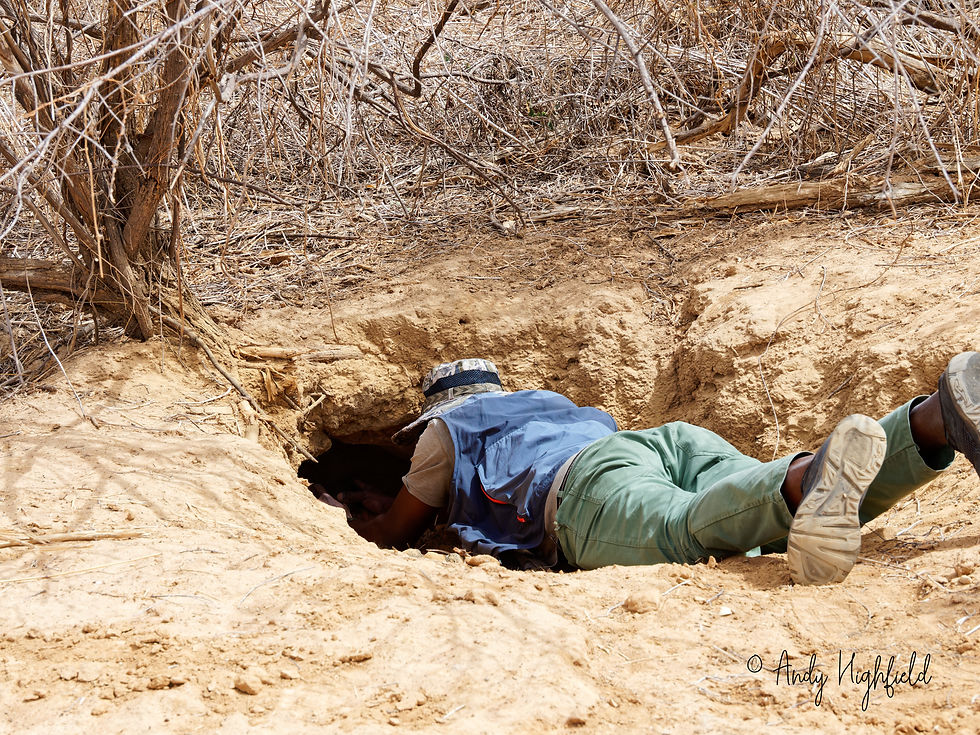
Among our objectives when undertaking these studies was to establish what environmental conditions were really like within C. sulcata burrows during the long, hot dry season, to establish to what extent tortoises were aestivating or active, to note behaviours and activity cycles, if any, and to observe the vegetation and general ecology of sulcata habitat during this period. Additional data and observations relating to the rainy season will be made available in a future article.
As is usual in this series, before proceeding to present some genuinely factual, fully documented and accurate insights, we provide some real-life quotes and claims propagated on popular tortoise keeper social media groups, forums and pages. There are so many false and misleading claims in circulation on the topic of C. sulcata in particular that it is impossible to cover them all, so these are just a few of the more common ones:
Claim: "Sulcata tortoises urinate and defecate inside their burrows to naturally raise and maintain a high-humidity microclimate that prevents severe dehydration".
False. While there is no doubt that they do urinate or defecate within burrows from time to time this has no connection whatever with maintaining a humid microclimate or preventing dehydration. There are several very good reasons as to why this is a practical impossibility. 1) C. sulcata employs a very similar water conservation strategy to other species from extremely arid habitats, such as Gopherus agassizii, the Desert tortoise from the SW United States. They have specialised physiological adaptions designed to conserve as much precious body fluid as possible. One of these is the ability to shift the balance of nitrogen excretion further towards insoluble urates instead of liquid urine when water is scarce. Everything is geared towards keeping as much existing fluid within the body as possible. Behaviourally, when fresh water is absent they do everything possible to avoid unnecessarily voiding it. In addition, they can store large amounts of dilute urine in their bladders, going up to a full year if necessary without drinking fresh water or obtaining significant amounts from food. They do this by slowly reabsorbing fluids stored in the bladder back into the system. If startled or stressed, they may void this urine as a defence mechanism, but this then places them in immediate danger of dehydration. Other species from arid habitats such as Testudo graeca, Gopherus agassizii and Testudo horsfieldii employ similar strategies. Their skin and scales are also very much geared to preventing evaporative body fluid losses from that route. Efficient conservation of body fluids is essential to their survival in habitats where it may not rain for many, many months at a time and where for most of the year other sources of fresh water such as ponds are non-existent. 2) No tortoise can continue to void precious fluids when no replacement source is available. Where would this urine be coming from? How would such losses be replenished? They cannot simply produce large volumes of urine or the moisture within faecal pellets out of nowhere. There is a process known as metabolic water production that we have discussed in several books and papers, but it would not be capable of producing water in anything like the volumes required to effect a change in burrow moisture levels. To make a measurable difference to the relative humidity within a typical burrow would require a very large amount of fluid indeed. These burrows can be impressively extensive in length (7m to 15m or 23 to 49ft) and are typically somewhat taller and wider than the tortoise occupying them. Simple maths allows us to calculate the volume of air inside. An average figure of 7 to 9 cubic m. of internal burrow air volume would not be atypical for a large adult. To produce a measurable increase in moisture with such a volume of air would require far more fluid to be introduced than even the largest tortoise could ever manage. When I mentioned this strange claim to genuine researchers of this species in Sub-Saharan Africa they found it hard to accept that anyone could ever believe such a thing. As one remarked "You would have to put a hosepipe down the burrow and leave it running to make much impact!". Quite so. The claim is entirely baseless as it is physically an impossibility.
Claim: "Even in the hottest parts of summer juvenile sulcata burrows remain cool and damp"
False. Juvenile burrows are shorter, narrower and much closer to the surface than larger adult burrows hence are not as well insulated or as well protected from ambient conditions. Therefore they tend to be hotter and drier in the dry season, but are much more liable to become saturated during the rainy season. They also experience more fluctuations diurnally for the same reason. The only partial exception to this is where the burrow is excavated in a vertical wall such as into a steep bank along a dry river bed, wadi, or Kori (these latter are the African equivalent of a "rambla" in Spain or an "arroyo" in the arid, desert areas of the United States). The term "cool" is relative and is entirely subjective as is "moist" or "damp". Precision measurements are far more objective and meaningful. These are some measurements from within a typical juvenile burrow within the natural habitat in Senegal taken in May 2026.
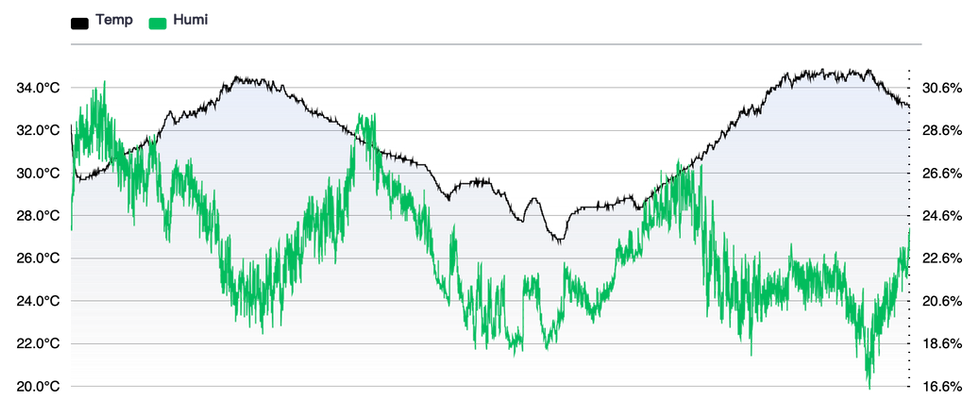
Claim: "A natural sulcata tortoise burrow stays between 80°F and 85°F (27°C to 29°C) underground, regardless of extreme hot or cold outside temperature"
False. See previous question. Internal burrow temperatures vary very substantially individually, seasonally, and even on a daily basis. Indeed, depending upon how far from the entrance measurements are taken they can even vary hour-by-hour. The closer to the entrance the more effect wind direction has, for example, forcing hot or cooler air into the opening. Far from the claimed very narrow band of 27°C to 29°C, ambient burrow temperatures deep within the burrow can range from around 15°C to around 38°C. In general though, burrows do provide far more temperature stability than is experienced outside the burrow. They do not over-ride the laws of physics, however, and temperatures will attempt to equalise over time. This means that a burrow in the winter period will be far colder internally even at its maximum depth and extent than the same burrow at the height of summer. External ambient low temperatures of circa 12°C or less do occur at times within the range of this species while peak summer temperatures may be in excess of 50°C. Burrows vary widely in both length and depth beneath the surface. This directly affects the degree to which they diverge from external temperatures.
A typical set of readings over a 12 hour daytime period within a deep (7m) adult burrow.

If we compare these internal readings, however, to a set of readings taken concurrently from outside the burrow, the advantages conferred by the burrow in creating a more moderate, stable microclimate are immediately evident.

It needs to be stressed that burrows do differ widely, even within the same general geographical area. Burrow size, depth, orientation, degree of shade by shrubs or trees and prevailing wind direction can all influence the temperatures and relative humidity levels experienced internally. So of course do the seasons and daily weather conditions. Even in the Sahel zone there are overcast days, for example. We must be careful, therefore, of asserting wide generalisations. The true situation is much more variable and complex than is frequently claimed. C. sulcata also occur over a truly vast range, in an approximately 500km wide band, stretching literally from one side of Africa to the next (Senegal and Mauritania to the Sudan and Eritrea, taking in Mali, Burkina Faso, Niger and the Central African Republic along the way), albeit at a typically very low density, but this necessarily includes a wide range of climatic conditions, seasonal changes and local biotypes and microclimates. The situation for herpetological research, however, is sadly complicated by the fact that many of the countries that form key parts of its range are highly unstable politically and are subject to general lawlessness, frequent terrorism, ethnic strife, endemic corruption, kidnappings and brutal internal conflicts with frequent massacres. Mali, Sudan, Niger and Mauritania for example, all fall into this category. This effectively rules out much-needed fieldwork, and as a result there are large regions about which we have very little recent data indeed.


A calibrated data-logging probe was manipulated into place right next to the tortoise using a thin, extendable carbon-fibre rod to record the actual temperature and relative humidity prevailing:

For comparison, including the same time period, we recorded 23 hours and 50 minutes of temperature and relative humidity readings at 30 second intervals in the exact same location (Ferlo, Senegal) at a height of 2m above ground level.

A very common error and misunderstanding occurs when people look at maps and general weather and climate data for a particular area, and from that go onto infer what any tortoises in that location are experiencing. This is totally unreliable. We explain why in a separate article: Can you rely on general climate information to know what your tortoise needs?
One interesting observation was that where burrows transect these extensive tree root systems the moisture level within the burrow in that immediate area will typically be higher than elsewhere in the burrow as these roots draw moisture from deep below the surface. This in turn increases local soil moisture levels immediately adjacent to the roots. This is a highly localised effect but can be significant. For example, while the ambient relative humidity in the main burrow corridor may be 38%, in the immediate area infused by a dense, fine root structure it may rise to 48% or slightly more, a substantial gain.
It has been observed that one tortoise might utilise more than one burrow, and that also more than one tortoise might occupy the same burrow. Radio tracking of tortoises revealed that they seem to have a very good sense of spatial awareness and direction and can quickly locate one of their own burrows even at a distance of several km away.
Tortoises typically retreat to their burrows once ambient temperatures (measured 2m above the surface) surpass 32 Celsius. They have a rather narrow range of critical thermal maximums averaging 39-41 Celsius (core body temperature), and the radiant heat from the sun in this part of the world is extremely intense. When the body temperature rises dangerously close to this critical threshold, tortoises begin salivating heavily. This is an emergency (and risky) moisture-depleting mechanism intended to induce evaporative cooling around the blood-rich areas of the neck and head. They may also make rapid movements, breathe heavily, and become visibly distressed. If they do not manage to cool down sufficiently, death can follow rapidly. Access to burrows and shade is therefore of critical concern for these tortoises.
Several species of highly drought-resistant trees and smaller, thorny shrubs occur throughout the Sahel. These play a vital role in the ecology of the entire region, providing shelter and fodder for wildlife and also helping to stabilise soils from erosion and improve soil quality.


Tree species encountered in such habitats include:
Boscia senegalensi: An evergreen under-shrub that bears a fruit seasonally.
Ziziphus mauritiania; Indian jujube, a very thorny species that has a small, hard fruit. .
Commiphora africana: African myrrh. Seeds are small and hard.
Acacia tortilis (now Vachellia tortilis); Wide-spreading tree known as the umbrella thorn.
Grewia bicolor: False brandy bush. An important forage plant during the dry season.
Lepisanthes senegalensis: A tree associated with water holes and riparian habitats.
Detarium microcarpum: Sweet detar. A member of the leguminosae family.
Balanites aegyptiaca: Desert date. Bears a fruit that is important locally.
Adansonia digitata: African baobab. Some trees can be over 1,000 years old.
Faidherbia albida: Apple ring acacia. Important tree for bees and grazing wildlife.
Some of these are fruit-bearing, although the fruits differ substantially from the commercial fruit cultivars we are familiar with from supermarkets. They are typically far less fleshy, tend to be bitter tasting, are much smaller, and with hard seeds or stones. Critically, they are also low in sugar content and in some cases, are highly toxic.
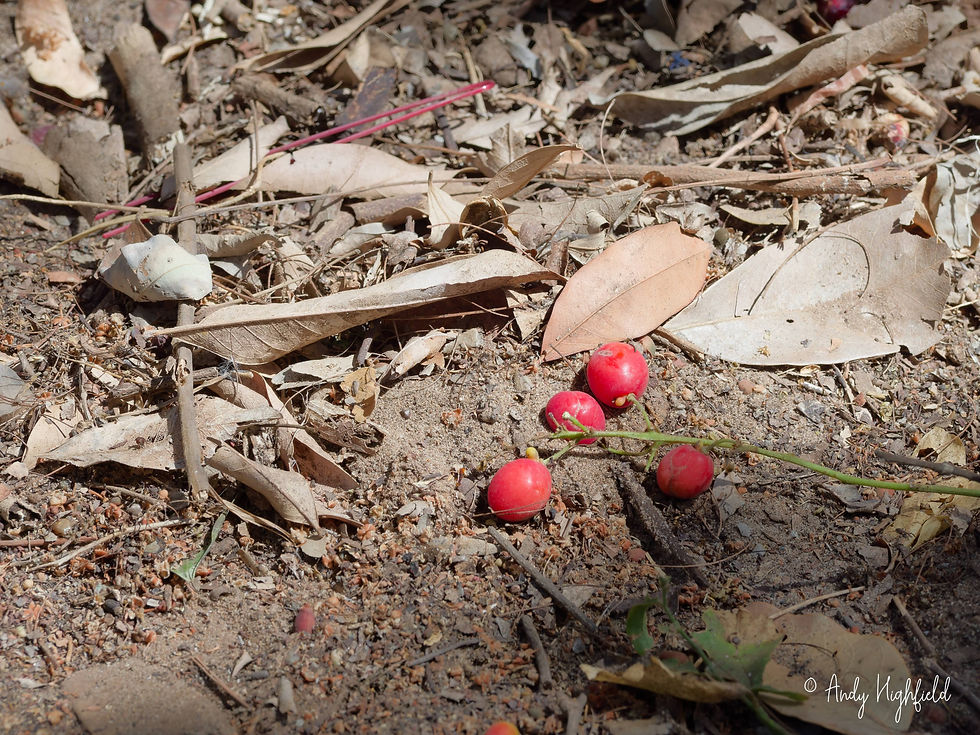
C. sulcata has been observed to eat fallen fruits of several of these species, but as they are only available seasonally, and there are far more efficient animals around that specialise in feeding upon fruits and seeds, such as birds, the quantity relative to their body size and frequency would be relatively minimal. It is enough, however, that along with many other tortoises species, they are considered to play an ecological role in seed dispersal. It is critical to add a note of caution: this in no way supports or should encourage the feeding of commercial fruits to this species in captivity. The circumstances in the wild and the very nature of the fruits themselves are completely different from commercial produce: Fruit for Arid Habitat Tortoises - 'Treat' or Tragedy?
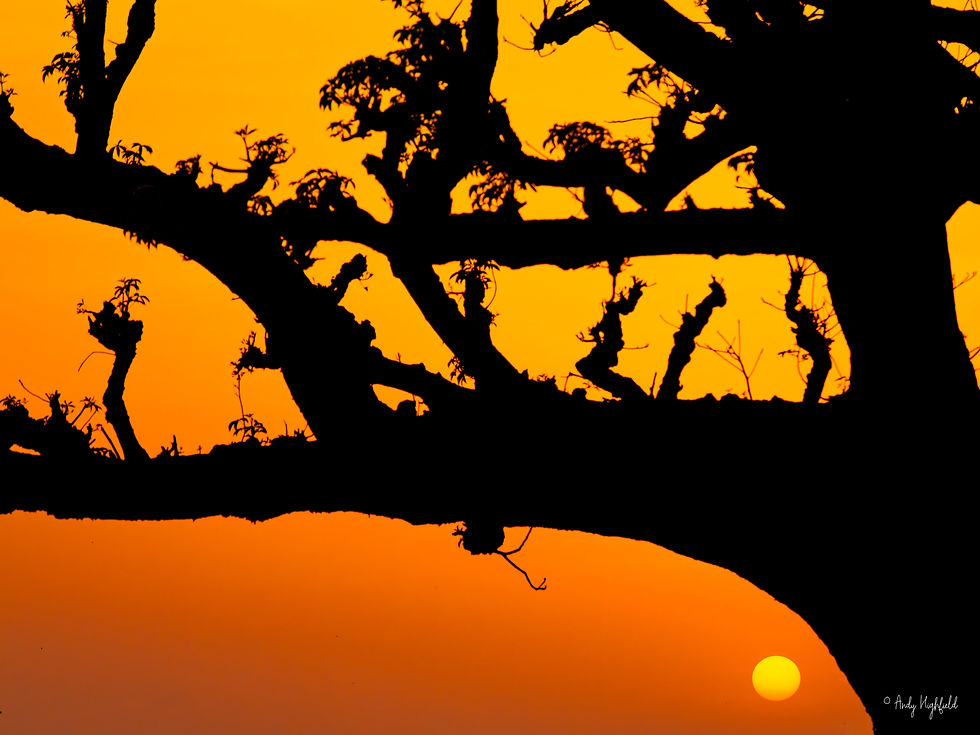

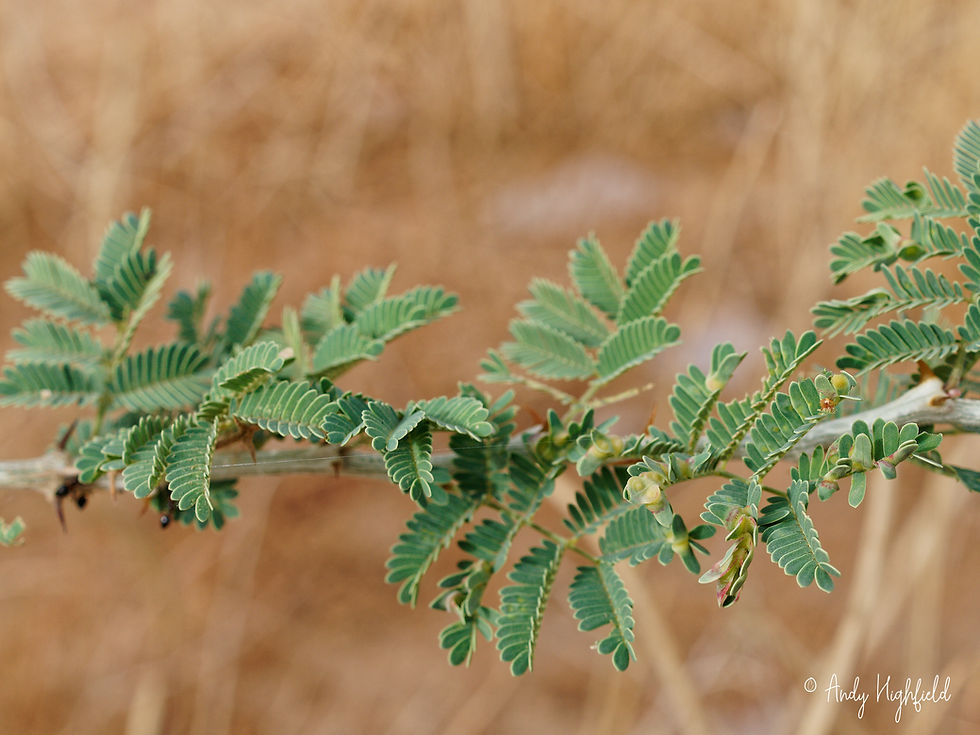
Several of these shrubs and trees are also very thorny and tough indeed, and we have observed not only Centrochelys sulcata in Sub-Saharan Africa using them for shade and protection, but also Stigmochelys pardalis (Leopard tortoise) in South Africa and Testudo graeca graeca in North Africa doing the exact same thing. Tortoises may not necessarily create full burrows in such situations, but instead employ shallow scrapes or "half burrows¨ of limited size and depth as in this example:


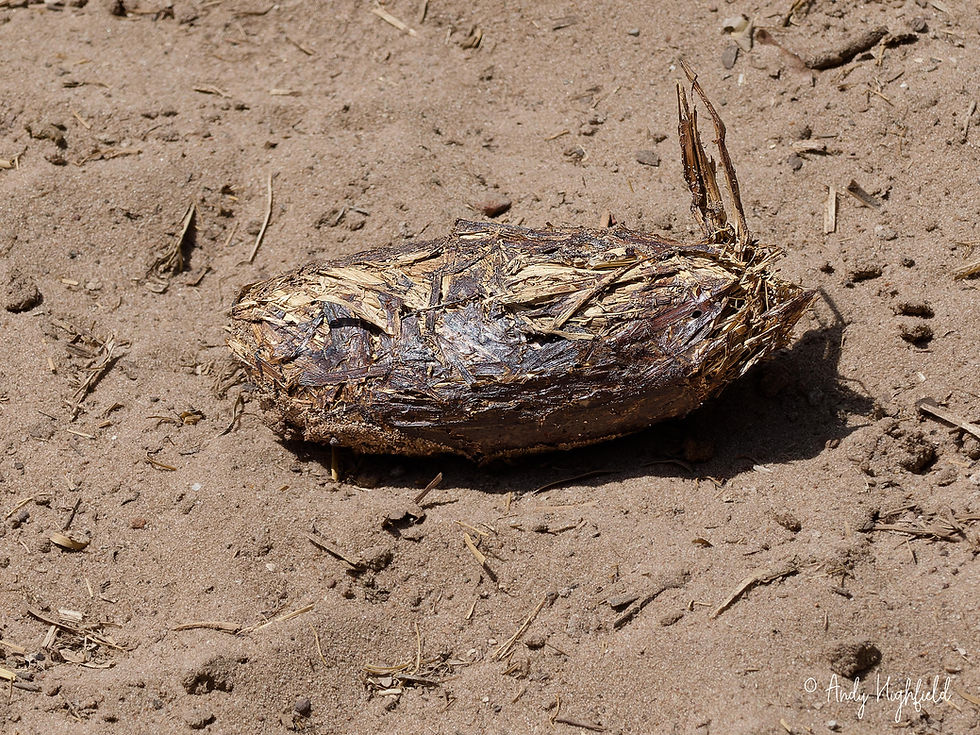
The primary diet of C. sulcata is the drought-resistant grasses of the Sahel, including Andropogon pseudapricus, Cenchrus biflorus, Schoenefeldia gracilis, Schizachyrium sanguineum, Hyparrhenia filipendula, Panicum turgidum, Eleusine indica (Goosegrass) and seasonally, additional herbaceous plants such as Commelina benghalensis (Tropical spiderwort) among others. The diet is characteristically exceptionally high in undigestible long fibres as evidenced by faecal pellets. The diet cycles seasonally from new, green and fresh to increasingly dry as temperatures increase and the rains cease. Feeding frequencies and quantities also decrease as the long hot summer arrives, eventually often ceasing entirely as they enter a state of aestivation.


Sulcata tortoises are certainly not the only species where this applies. The precise same thing is also seen in Mediterranean tortoises from arid, sandy habitats. See: "Dietary Fibre in the diet of the Herbivorous Tortoise Testudo graeca graeca in Spain: Some implications for captive husbandry".
Claim: "In the wild, they spend 95% of their lives underground in burrows"
False. It is impossible to ascertain the exact percentage of their lives they spend in burrows as this varies continually according to prevailing climatic conditions and regionally. They are, however, much more active than this figure suggests. Picking a number out of thin air and presenting it as factual is not science.
Claim: "Babies hatch during the start of the rainy season. It is hot, very humid, rainy, and marshy in some areas. There are puddles and lush green growing food everywhere. In some areas there is a dry season, but the hot monsoon season is when babies hatch, and babies find humid microclimates to hide in during drier times"
A mixture of true and false. It is perfectly true that the eggs of Centrochelys sulcata hatch with the arrival of the rains. This is the same as many other species from arid habitats. Testudo graeca and Stigmochelys pardalis do exactly the same thing. There are indeed puddles and new, fresh growths of vegetation. The ground can be very muddy and travel difficult. There is flash flooding in many areas as the rain can be torrential and it runs off the hard-baked barren landscape with considerable force. A situation made much worse by the destruction of native stabilising vegetation by intensive agriculture and over-grazing. The claim that "In some areas there is a dry season" is extremely misleading, however, as this suggests that it is atypical and that there are areas without any dry season. This is totally false.
There is a dry season everywhere that C. sulcata occurs throughout the species entire range. Not just "in some areas".
This is one reason why we do not find humid habitat Hingeback tortoises (Kinixys nogueyi) in the same areas and habitats as sulcata for example, or vice-versa. They would never survive the intense heat and aridity of the dry season that sulcata are so well adapted to. They occur geographically not too far distant, e.g., in the Gambia, but this has a strictly localised humid microclimate sustained by the Gambia river. It is a totally and utterly different climatic zone than anywhere that C. sulcata occur. The vegetation is different. The wildlife is different. For more on this see our further report, to follow on the tortoise situation in that country. The same applies in Burkina Faso where both C. sulcata and (Kinixys nogueyi) occur in relatively close geographical proximity, but are separated by ecological niche preferences to the point that they are effectively allopatric.
The specific claim that "babies find humid microclimates to hide in during drier times" has been thoroughly and conclusively disproven multiple times. We do need to define what we mean by "humid" in this context, however. The suggestion by many tortoise keepers is that this means moist and damp to the point of water condensing on "closed chamber" walls and supporting damp substrates of sphagnum moss and similar to the conditions within a tropical rain forest. In the context of the natural habitats of African Spurred and other semi-arid habitat tortoises, however, at most it means ¨somewhat less dry than exposed surfaces". See, for example, Humid Hides: The Tortoise Myth-Busters Episode 6 and also the measurements featured in the report you are now reading.
In simple terms, they do indeed hatch into a wet and humid rainy season, but this does not persist for very long at all. The exact length of time depends heavily on latitude. Northern areas closer to the Sahara experience a short rainy season lasting only 1 to 2 months, while southern areas closer to the tropical savanna see a longer season lasting 4 to 5 months. In areas populated by C. sulcata the rainy season is of median duration, typically no more than 3 months and is concentrated from June through August to September. The remainder of the year is very hot and dry indeed. Depressions that held water dry up rapidly, the surface temperatures quickly rise to well over 60 celsius ( 140°), and green vegetation rapidly becomes brown. All standing water evaporates rapidly. Tortoise activity decreases, and eventually they enter either full or partial aestivation within their burrows.

In many parts of the range of C. sulcata ephemeral, seasonal, water holes and ephemeral streams have been an extremely important part of sustaining survival. In the natural and undisturbed habitat the largest of these would offer a source of drinking water well into the dry season. African Spurred tortoises have been recorded as drinking up to 15% of their body weight at a time. It is important to note, however, that such water holes or streams do not occur everywhere throughout their range and vary considerably in size and duration. Where they do occur they are undoubtedly popular with tortoises, and with other wildlife. Sulcata have also been known to soak in mud baths, a behaviour witnessed by the present author many times on the Galapagos Islands with Chelonoidis niger and in South Africa with Leopard tortoises (Stigmochelys pardalis). It must be stressed, however, that in the case of the African Spurred tortoise, such opportunities are very limited due to the extreme overall aridity and high temperatures that are a feature of this habitat.
Unfortunately human expansion into these fragile environments, and specifically the introduction of huge numbers of cattle have placed immense strain upon these fragile water resources. Many water holes are now emptied as soon as they appear. Combined with the effects of creeping desertification and climate change such sources of water are now increasingly rare. Some water holes only remain if supported by artificially pumping up water from very deep boreholes using solar powered pumping stations as in the example above. Permanent year-round water access relies entirely on these deep boreholes and drilling into underground aquifers that vary between 50m (160ft) to as much as 300m (almost 1,000ft) in depth. As these aquifers are over-exploited, the water table falls further.
Claim: "Juvenile sulcata tortoises spend their first three years almost exclusively underground in their burrows, only emerging rarely".
False. This is related to the previous claim. Growth rates for the first months and years are quite rapid, and in order to sustain that growth they graze at every possible opportunity. This of necessity involves leaving their burrows regularly. This has many similarities with the behaviour and life cycles of other species from harsh and often barren habitats such as Testudo horsfieldii, from the steppes of Central Asia and desert tortoises (Gopherus) in the US. Far from "emerging rarely" juvenile sulcata in the wild actually have a regular, habitual routine of activity. They are typically active twice a day, once very early in the morning and again in the late afternoon or evening, though they will typically be active for more extended periods throughout the wet season when temperatures are more moderate and herbaceous vegetation and new grass shoots are plentiful. Peak times for activity with both adults and juveniles appear to be from 0600 to 0900 in the morning and again during twilight and dusk as the dry season approaches. In this sense they clearly demonstrate an increasingly crepuscular behaviour pattern as daytime temperatures increase.
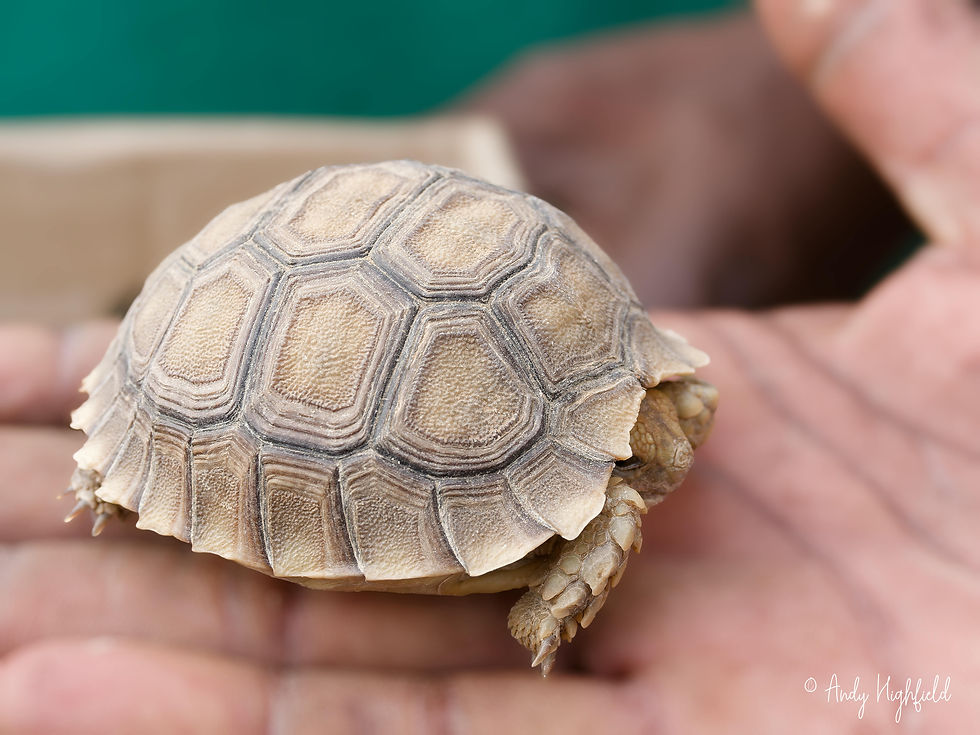
They will increasingly avoid activity during peak daytime temperatures, however, especially as the dry season approaches as temperatures become prohibitively high and will retreat either to a burrow or to deep shade under scrubby vegetation. C. sulcata, both adults and juveniles, will also either fully or partially aestivate during the very hottest and driest parts of the year. There is absolutely nothing unique about this type of activity pattern, almost all tortoises from hot and arid habitats behave in exactly the same way, including Mediterranean Testudo species. Similarly, they can also be active on occasions nocturnally. The late Dr. M.R.K. Lambert once reported on observing sulcata grazing by moonlight in Mali. We have observed similar behaviour in Testudo graeca graeca: "Nocturnal Activity in Mediterranean Tortoises".
A common trend with these various false claims is that there appears to be absolutely no awareness of comparative zoology, where similar species in similar habitats behave in exactly the same way for the same reasons, and a complete lack of first-hand knowledge of any of these species in their natural habitats.
The vast majority of these false claims and misunderstandings are concentrated around the desire of pet keepers and breeders to avoid a form of carapace deformity that they term "pyramiding". This is a form of metabolic bone disease that takes on a characteristic form in terrestrial Chelonia due to the body being surrounded by keratin. There are several linked causal factors, including diet and both physical and environmental influences. A full explanation of the processes involved is outside the scope of this current paper but we have already covered the topic in great depth in existing articles: Tortoise Shell Deformities - A View From the Inside and a very thorough investigation of the whole subject in The Cause of Pyramiding Deformity in Tortoises. Please refer to these for more information and examples.
Briefly, however, pet keepers who live many thousands of miles away from where the species they keep actually occur, and who have absolutely zero direct knowledge or personal experience of their habitats, form completely erroneous conclusions based exclusively upon observations of captive animals in completely artificial environments. They then insist that what happens in their own back yards or "reptile rooms" must also apply to the natural habitat and to the same species living in the wild.
If you take the view that such a methodology is seriously defective, and is absolutely guaranteed to result in numerous misunderstandings and mistakes you would not be wrong. As we have stressed repeatedly over many years, the only truly reliable way to establish and understand how a species lives in the wild is to take accurate, objective measurements and to make direct observations in the actual habitats where the species in question occurs. Wild and uninformed guesswork or speculation from thousands of miles away is certain to mislead.
Nowhere is this better illustrated than in the next example:
Claim: "Sulcata's are a burrowing species in the wild... as adults. Babies don't burrow. They might shimmy down into some soft damp substrate like a stingray in sand, but they don't make actual tunnels to live in until they get near adulthood in most cases...As babies they tend to avoid any sort of hole in the ground as if their life depends on it. Presumably, this instinct saves their lives in the African wilderness by helping them avoid contact with whatever African animal made that hole...I'm certain someone somewhere has an 8 inch sulcata that dug a burrow, but you don't typically see this behaviour until they are closer to 14-16 inches in most cases, and frequently you don't ever see it".
False: Not only does this make more than one wildly inaccurate claim, but it also directly contradicts the previous claim that juveniles spend the first three years almost exclusively in burrows. They cannot possibly both be true. This is a typical example of just how completely irrational and contradictory so many of these beliefs really are. The truth is rather different. They do not "shimmy down into a soft damp substrate". The substrates are almost universally a combination of sands, stones and fine clays that set really hard at the surface level when dry, which is most of the time. Secondly, outside of the immediate rainy season these substrates are not in any way "damp", even beneath the surface. That is why only drought-resistant trees survive throughout the region. They are very dry indeed. We have reported extensively about these strange beliefs that are completely divorced from reality on multiple occasions: "Humid Hides: Myth busters Episode 6".
If you read that article, you will note that the exact same false claims appear again and again, despite overwhelming evidence to the contrary. The suggestion that sulcata do not create burrows until they are "14-16" long" is pure fantastical nonsense. Of course they do. They live in the exact same habitats as adults and experience the exact same climatic conditions and constraints. They also employ the exact same behavioural and physiological mechanisms to cope with these. The equally fantastical claim that juveniles "avoid any hole in the ground as if their life depends on it" is also nothing but pure fiction and fantasy that could only have originated with people who have never set so much as one foot in any of these habitats in their entire lives and who have no knowledge whatever of the ecology or of the wildlife of such environments. The precise opposite is true. Dr. Mike Lambert personally observed small sulcata hatchlings utilising mammal burrows in Mali. Multiple other reliable observers have also confirmed this. Again, this is established behaviour in other species from similar habitats including Desert tortoises in the United States.

Hatchlings and juveniles actively seek out small mammal burrows and not only use them, but at times they actually share them with the original occupant.


Specific examples of this with C. sulcata are the Lesser Egyptian Jerboa (Jaculus jaculus) and the African Hammada Jerboa (Jaculus hirtipes). These small mammals, that occur widely in sulcata habitats, and that look like a cross between a mouse and a kangaroo, pose absolutely no threat whatever to young sulcata tortoises. Their diet consists almost exclusively of seeds, small insects and plant parts including leaves and roots. Similar burrows are excavated by desert Gerbils, for example Taterillus pygargus. These too are no threat to tortoises. Their largest prey item would be an unlucky grasshopper. Juvenile sulcata will find either abandoned burrows, or in some cases burrows that are still in use, and by means of their already well developed and powerful front limbs will enlarge these as necessary. Wild C. sulcata also frequently co-habit burrows with various snakes, including the Puff adder (Bitis arietans) and cobras including the Senegalese cobra (Naja senegalensis) and the Mali cobra (Naja katiensis) among other variants throughout their range. Once more, this is not in any way unusual. Desert tortoises (Gopherus species) do the exact same thing in the United States, sharing burrows with a wide variety of mammals and snakes. There are a great many parallels between these species, up to and including microclimate conditions within their respective burrows.
Claim: "Always use the 80-80 rule when raising sulcatas. That means 80% relative humidity at 80 degrees F. (26.66°C). In the wild, baby Sulcatas spend most of their time hidden deep inside microclimates like humid underground burrows with a damp substrate"
We have already covered some of this above. There is zero basis for these advised temperatures or humidity levels. None at all. Neither bear any relation to what these animals truly experience in nature. The substrates in the burrows can in no possible way be described as "damp" except for a brief period during the rainy season. See some real data below.

Claim: "Sulcata tortoises never live on pure sand, as their natural habitat consists of the semi-arid grasslands and savanna borders of the Sahel region rather than deep sandy deserts".
False: The exact same grossly misleading claims are made about other species too. See: Tortoises in Sandy Habitats - Myth Busters Episode 2.
In actuality, substrates in the natural habitat for C. sulcata vary quite a lot according to local geology and conditions. The most typical substrate can best be described as a combination of oxide-rich reddish fine silt clays combined with various grades of sand, grit and stones of varying sizes. Geologists would describe them as "slightly leached ferruginous tropical sandy soils, alongside finer-textured gravel soils featuring occasional lateritic (soils and rocks rich in iron and aluminium oxides) outcrops".

Loose sands are very frequent in these habitats and indeed the burrow floor surfaces are typically comprised of such loose, reddish sands. Claims, therefore, that they "never live on pure sand" are demonstrably false and misleading. It is correct to say that pure, loose desert sands are not a preferred habitat however. They prefer areas with more cohesive substrates such as sands bound by clays and infiltrated by roots.
Above; Examples of typical substrates. Where sulcata tread regularly, such as the entrances to or inside burrows, the substrates are frequently reduced to very fine pure sands. Undisturbed substrates are typically the same sands bonded by fine clays. These substrates are heavy and sticky when wet, but dry to quite a hard crust. Termite mounds are common throughout the region. They play an important role in the local ecology.


Reproduction
Precise timings depend upon the exact location and upon weather conditions, but typically 20-30 eggs of approximately 40-50mm circumference and weighing around 45-65g are laid by the female in December-May and take on average around 100 days to hatch, but this is highly dependent upon the date of the first rains. Both longer and shorter incubations periods have been recorded. The egg sizes and quantities are also influenced greatly by the size of the female (from 15-40 eggs, up to three clutches per year). Sexual maturity is attained between 10-15 years of age.
Other Threats
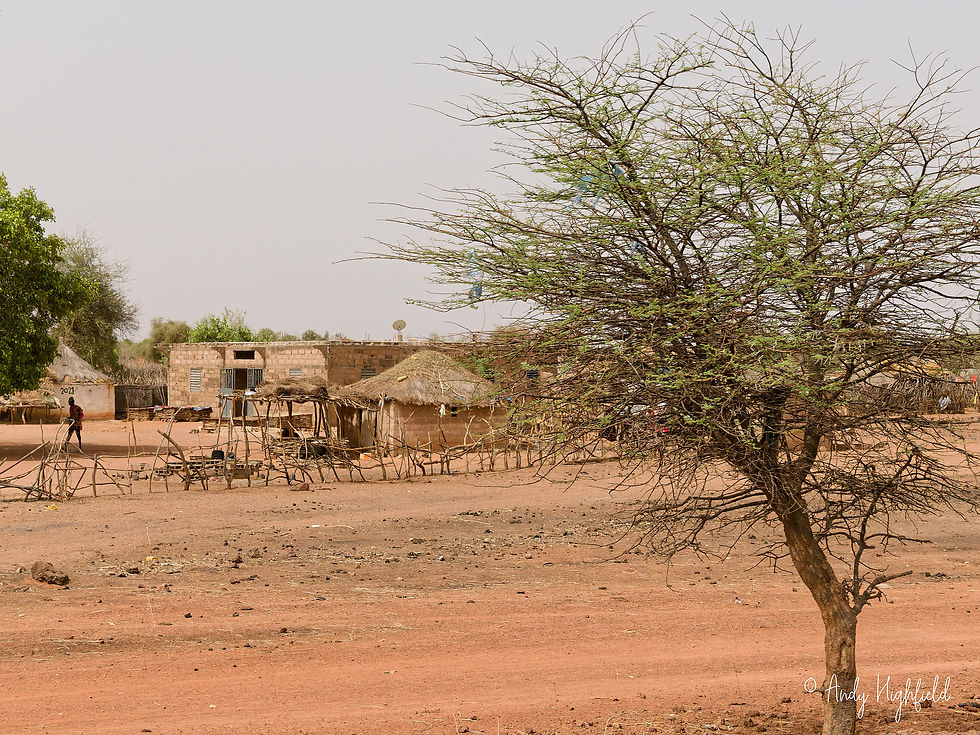
The entire region occupied by C. sulcata is typified by various levels of poverty, some extreme, and a general deficit in educational standards. There is also massive growth in human population levels that places a considerable strain upon vital resources such as water, housing and food. Waste management is also severely lacking with plastic waste in particular a massive issue. Plastic pollution is endemic. With humans, and especially with poor waste management, come a large increase in scavengers, many of which are direct threats to tortoises such as Black kites (Milvus migrans), Pied crows (Corvus albus), rats and roaming packs of dogs.


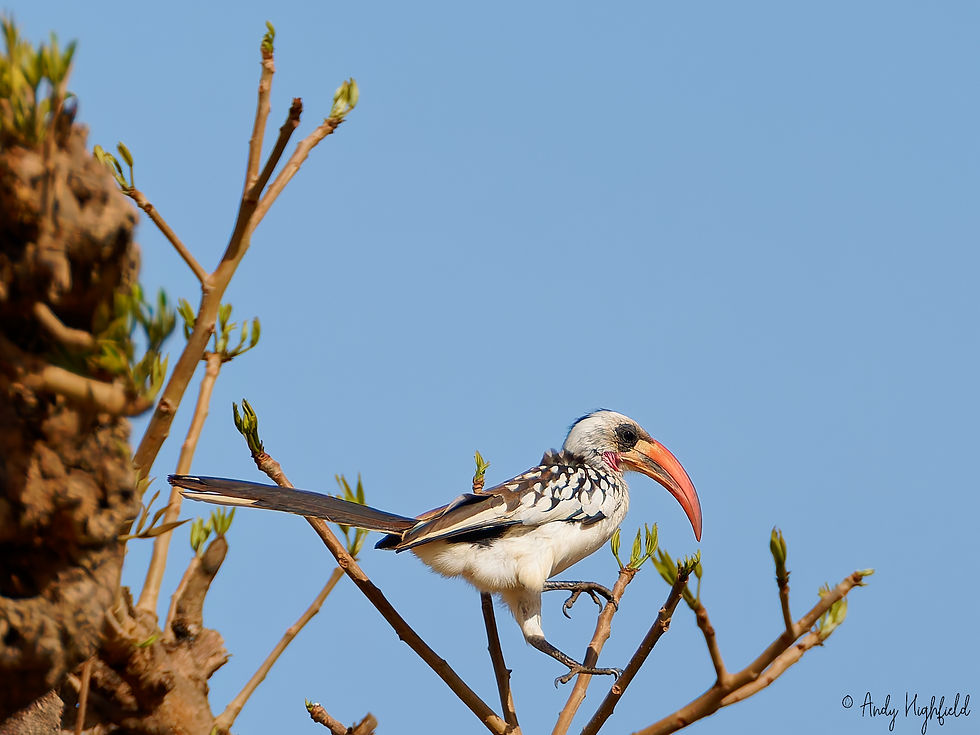
Each of these presents a lethal danger to young tortoises especially and their numbers have exploded around human settlements. In addition, in many areas traditional belief in the magical powers of various animal parts persist, so capture for these purposes merely adds to the pressures. We did report many years ago on such beliefs in North Africa (Folklore, Myth and Exploitation of Reptiles in Morocco and Tunisia, TRAFFIC Bulletin), but over thirty years later it was concerning to encounter the same situation in West Africa. We will return to this topic in part two where we will also look at some of the conservation and educational efforts that exist which are designed to help the tortoises and other wildlife of the region.
Poverty and high levels of waste plastic pollution are additional causes of environmental damage and degradation throughout the entire region.



The work continues. More to follow.
Many thanks are due to Tomas Diagne, Lamine Diagne, The African Chelonian Institute, Yannick Aranjo, Captain Sal, Amin, local villagers and everyone else who so generously extended their hospitality, expertise and assistance for the sections of this study that took place in Senegal. Thank you also to Bev Kearns for logistics and travel management.
As you can imagine, undertaking genuinely original research takes a very long time to conduct (months and years), involves a great deal of travel, is very time consuming, and requires the use of some very expensive equipment. If you would like to see more of this, we really would appreciate it if you could make a donation or subscribe. It really helps. We have been established since 1984 and we continue to provide original research and reliable information to tortoise and turtle enthusiasts worldwide. We also have two excellent online courses available, one for beginners and new keepers and one for advanced and professional keepers. These cover some of the background science that is key to truly understanding and appreciating tortoises and turtles and are also extremely practical. We have taught in colleges and universities around the world, and have also trained private enthusiasts, wildlife rangers and conservation staff for many years.
(c) 1999-2026 A. C. Highfield/Tortoise Trust

